The Gulf rewards companies that plan their entry carefully and treat each market on its own terms. This article sets out the main entry routes into Saudi Arabia, the hub-and-spoke logic many firms use across the GCC, and the role a Hong Kong base can play.
Five stages into Saudi Arabia
A structured Saudi entry usually runs through five stages: market and regulatory research, choosing an entry mode, securing an investment licence from the Ministry of Investment, registering the legal entity, and launching operations. Moving from strategy to a licensed, operating entity typically takes several months, depending on the mode and sector, and most investors commission a feasibility study before committing.
Matching the entry mode to the goal
The main routes in are distributor or commercial agent arrangements, branch offices, LLC subsidiaries, joint ventures and franchises. They differ in foreign ownership, setup time, capital and liability, so the right choice depends on what you are trying to achieve.
- Testing demand with limited investment: a distributor or agent relationship
- Building a permanent presence: an LLC subsidiary, which allows full foreign ownership in many sectors
- Gaining local capability or access quickly: a joint venture
A common mistake is to treat Riyadh, Jeddah and Dammam as interchangeable. Riyadh leads for government, finance and corporate headquarters activity, while Jeddah and Dammam offer stronger port and logistics access for import-led businesses. City choice is a commercial decision, and it should rest on research rather than habit.
Hub and spoke across the GCC
Many regional launches use Dubai as the hub, and the pattern is well established: a UAE base handles regional coordination and media, while dedicated activity runs in Saudi Arabia, Qatar, Kuwait and Bahrain. The lesson holds across sectors. GCC markets are closely linked but keep distinct identities, and coverage from the UAE alone does not reach Saudi or Qatari buyers. A regional message needs a local plan for each country.
Where Hong Kong fits
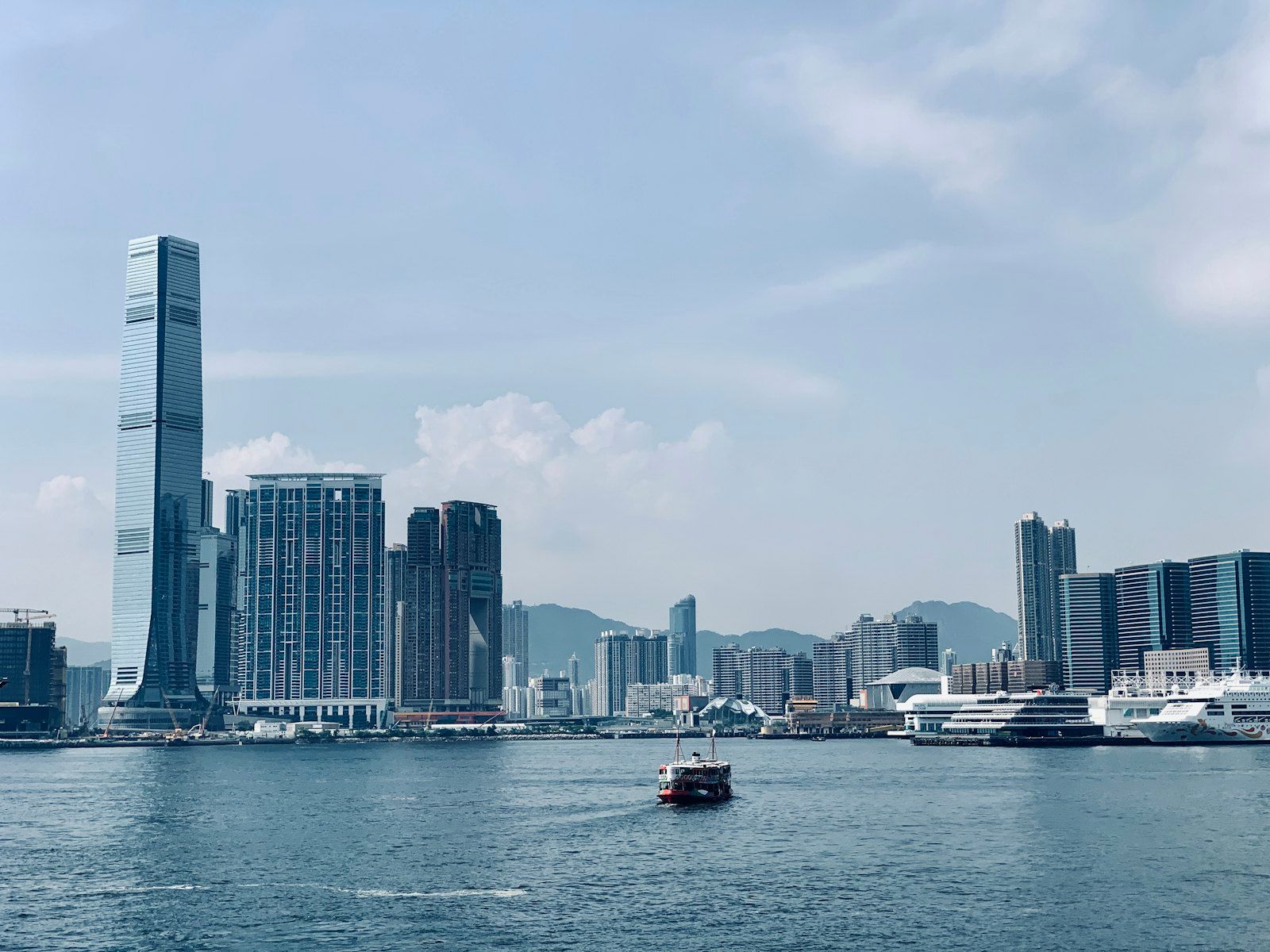
For Hong Kong companies, and for Mainland enterprises using the city as a platform, the division of roles is usually clear. Hong Kong keeps market selection, regional brand strategy, financing and governance, and coordination across the network. A Gulf city — Dubai, Riyadh or elsewhere — takes client relationships, partner management, local media and on-the-ground delivery. The entry mode you choose in the Gulf will in turn shape what the Hong Kong office must do: a distributor needs commercial oversight, while a subsidiary needs governance, reporting and funding.
Whichever route you choose, the sequence matters: research first, entry mode second, city third. We help you work through all three and find the partners who make the plan real.